Extension Work
Extension Agenda and Extension Activities
Background
Agenda for Extension
Plan for Extension
Visiting Professors and Visiting Artists
Lectures and Workshops
International Programs for Students
International Research and Creative Work
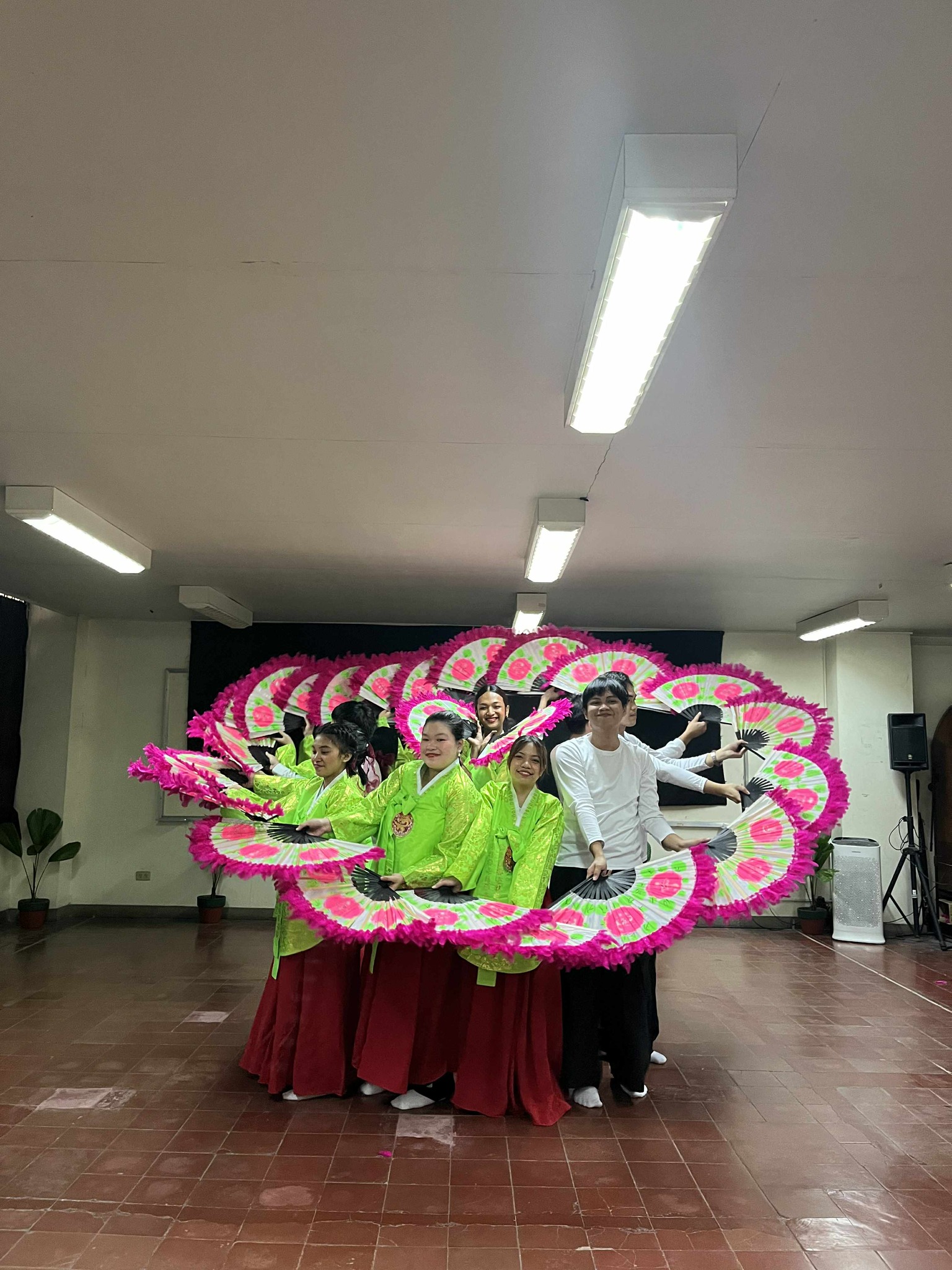
Internationalization and Cultural Diplomacy
Indigenous Cultural Heritage and Development
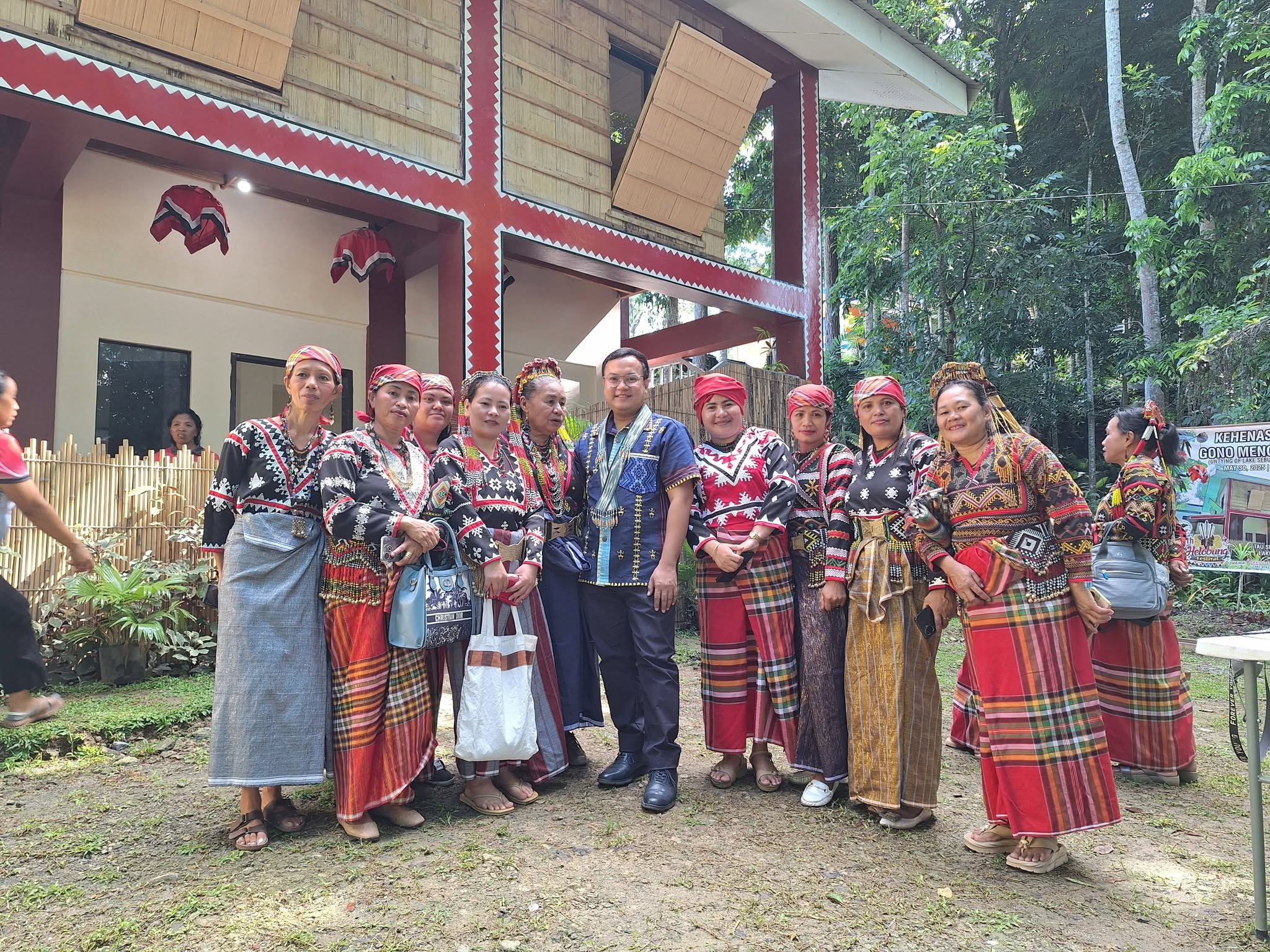
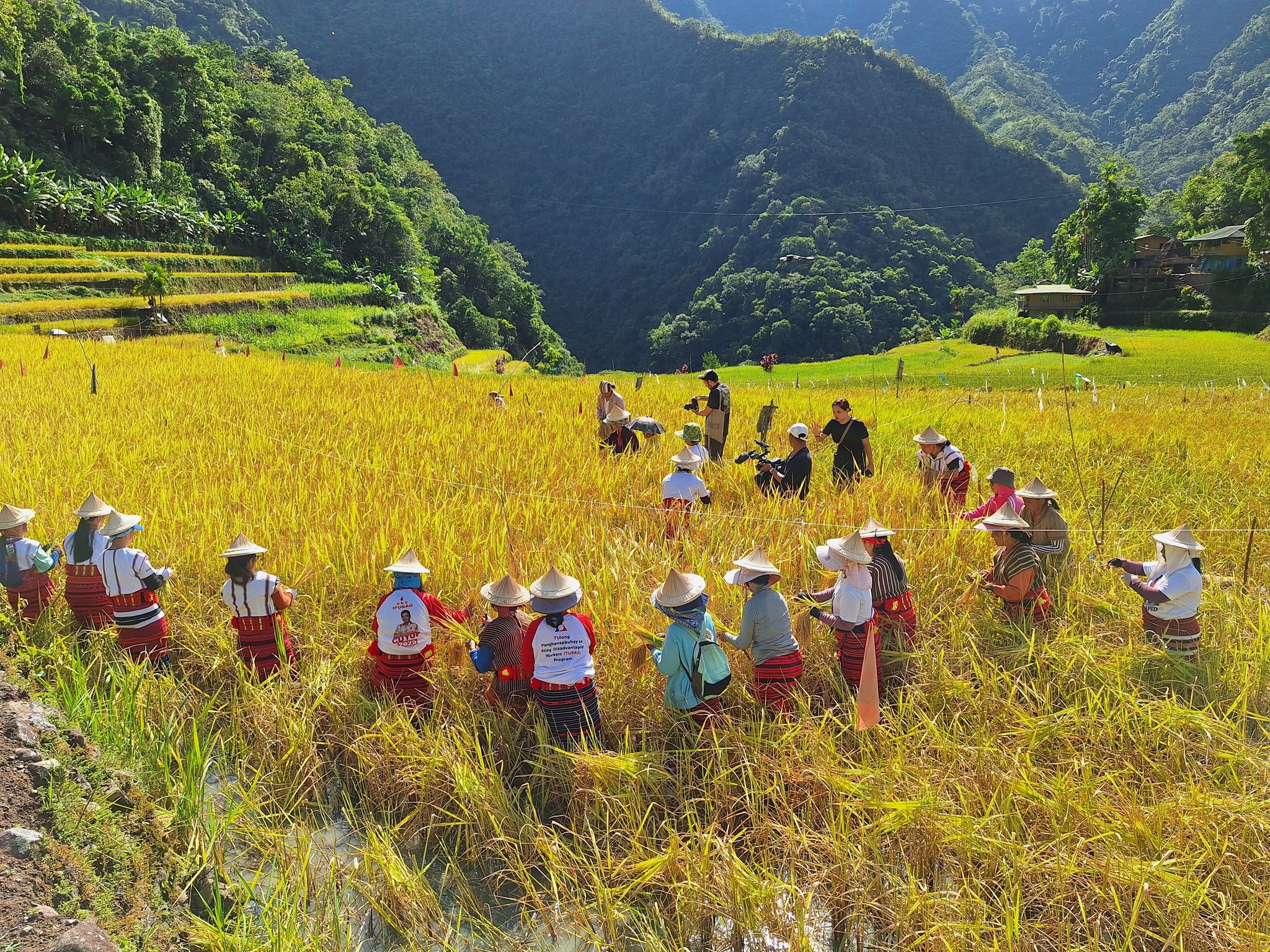
Cultural heritage, both tangible and intangible, can be an effective instrument for development. By working with marginalized local indigenous communities to harness their rich cultural resources, the UPCIS aims to improve the lives of these people. The UPCIS has an ongoing cooperation (since 2010) with the indigenous Ifugao of the UNESCO World Heritage Batad Rice Terrace Cluster to restore their native houses and to develop a cultural tourism program. The UPCIS also works with the children of a Sama Badjao community in Manila to train them in the performance of Bunraku puppet theater, a UNESCO-inscribed Intangible Cultural Heritage of Humanity. The children are first taught the basics of this ancient Japanese theater form, then they are made to perform in Bunraku productions that are inspired by Sama Badjao culture. Furthermore, UPCIS has a long-standing relationship with several Aeta communities living in the Pinatubo area. UPCIS works with the Aetas to document their traditional ethnobotanical knowledge and to provide educational opportunities among other things. Most recently, the UPCIS has assisted the Indigenous Tboli farmers of Lake Sebu in South Cotabato to safeguard and promote their foodways and agricultural biodiversity through the establishment of the Slow Food Community of Lake Sebu.