UP CIS

Agenda And Plan For Extension

Background

Established in October 2000, The U.P. Center for International Studies (UPCIS) strives towards becoming a venue for interdisciplinary academic and artistic collaboration. Guided by its mandate to become a premiere center of scholarship in the country, the UPCIS endeavors to strengthen the body of knowledge on the cultural, ecological, sociopolitical, economic and ideological systems of Asia, Europe, and the Americas. Through the mandate, the UPCIS aims to enable Filipino students to become more conscious and responsive to the myriad structures and experiences that shape the region, and to better appreciate their origins and the forces that shape their lives as a people.

Agenda for Extension

The UPCIS, realizing the mandate of University of the Philippines to serve as a global research university with links to the Asia Pacific Region and the rest of the world, has engaged in a variety of activities and projects since its establishment in October 2000. Its general thrusts are:
Arranging the coming together of scholars from various fields for multi-disciplinary and cross-cultural collaborative research on Asia, the Americas, and Europe through grants, scholarships, fellowships, and other programs;
Offering courses on special topics on a variety of global issues
Facilitating the training and development of a pool of specialists locally and abroad whose expertise can assist in understanding and responding to the needs of communities in the immediate region and beyond; and
Publishing, organizing, and disseminating information on Asia, Europe, and the Americas through resource collection, cultural presentations and exhibitions, public lectures, discussions, symposiums, and fora.

Plan for Extension

In light of its mandate in the University of the Philippines and its continuing interdisciplinary and cross-cultural work, the UPCIS engages in the following as part of extension program

Visiting Professors and Visiting Artists
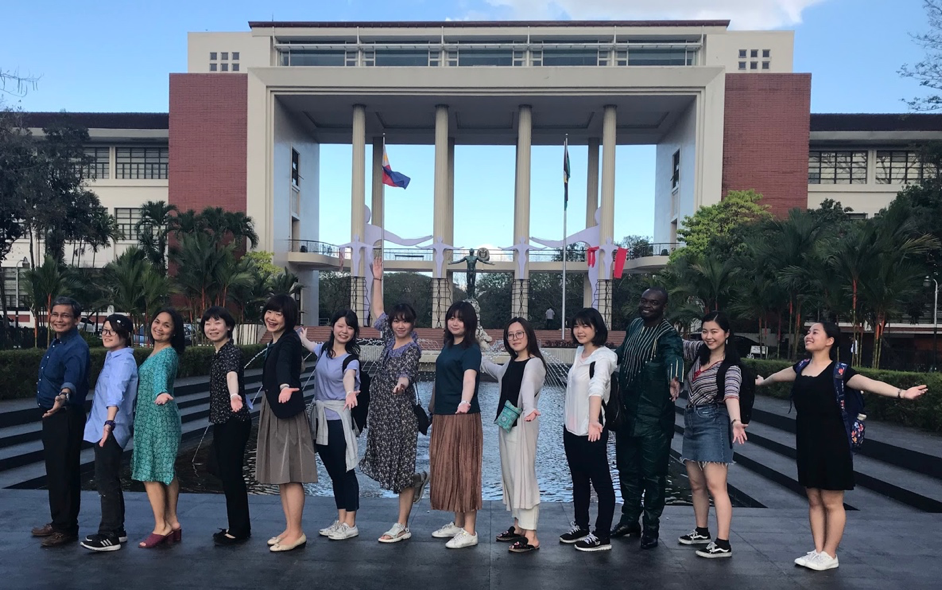
The faculty affiliates of the UPCIS come from diverse academic and creative disciplines whose collaboration in the delivery of cross-cultural and interdisciplinary perspectives of the course material is aimed at widening students’ educational horizons. Besides our faculty affiliates based in the University of the Philippines, the UPCIS employs visiting professors and artists from other institutions abroad, including: Chiho Ogaya, PhD of Hitotsubashi University, Arne Rokkum, PhD of Universitetet i Oslo; and Neal Matherne, PhD of the University of California Riverside.

Lectures and Workshops

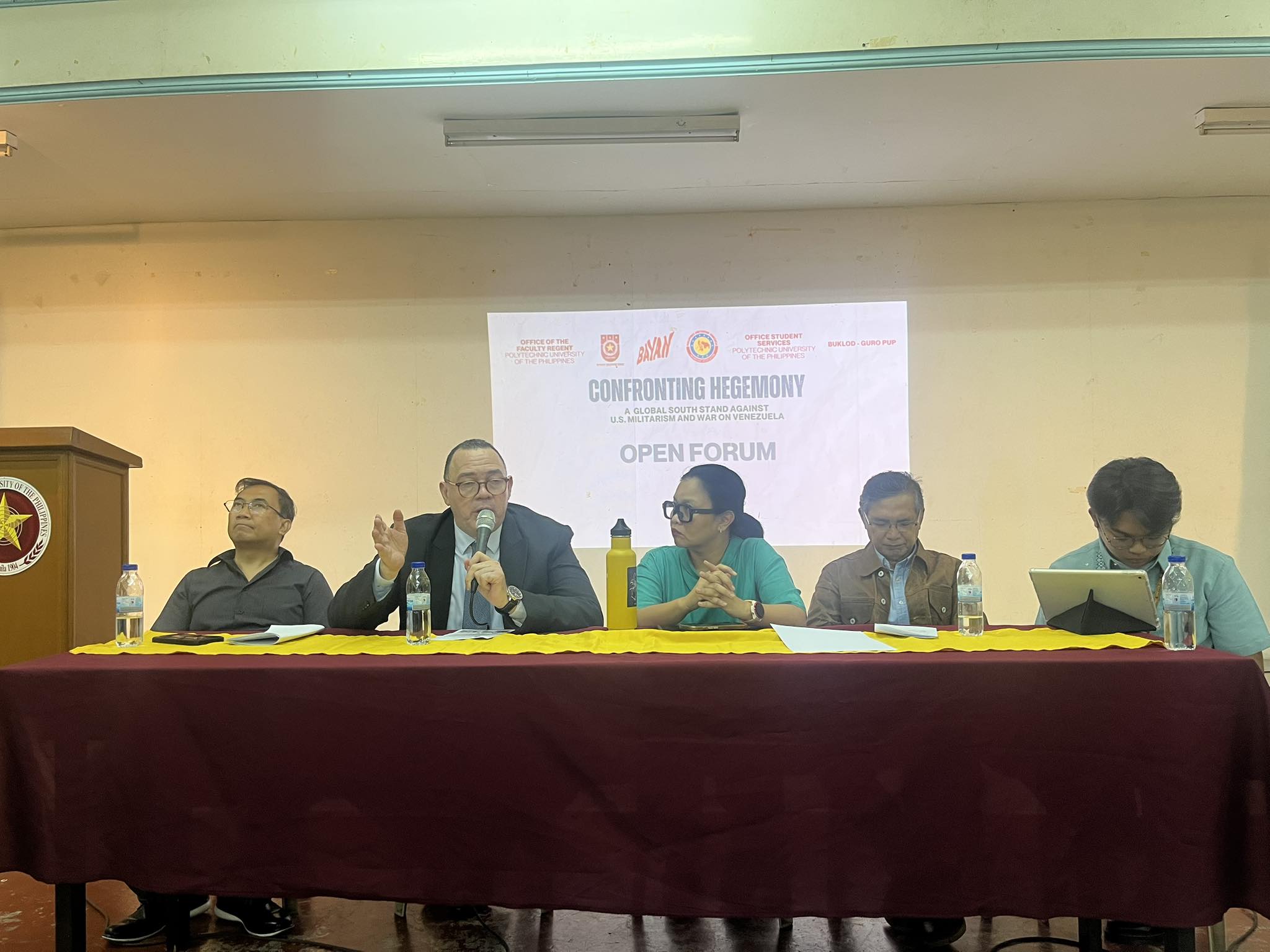
A. In keeping with its mandate, UPCIS also hosts public lectures and seminars as well as conduct workshops by visiting professors and artists from universities abroad, including Kokugakuin University, University of Paris X (Nanterre), Georgetown University, University of Malaya, and the City University of New York. Examples of projects in this area include The Place of Power: Understanding Southeast Asia conducted by Prof. Damon Woods, PhD of the University of California in January 2012; A Comparison of Gender and Naming Practices Between Island Cultures of Korea and Japan conducted by Prof. Chun Kyung-Soo, PhD of Seoul National University in July 2013; Teaching in Time: Connecting to Collections Past and Present and Shoko Matsumoto Archive Tour conducted by Prof. Emily Drabinski of LIU Brooklyn; Foreign Support of Local Education and Cultures: What, When, Why? conducted by Dr. Rocio Ortuño of University of Antwerp; and The Life and Legacy of Comandante Hugo Chavez to the World conducted by H.E. Capaya Rodriguez Gonzalez, Venezuelan Ambassador to the Philippines in March 2018.
B. UPCIS also conducts lecture-workshop-recital performance by local and foreign artists who have the expertise in the practice of Asian performance traditions such as masters and culture bearers for students as well as secondary and tertiary school teachers. An example of a project in this area is the Asian Performance Literacy Workshop (APLW) conducted by UPCIS in 2015.

International Programs for Students

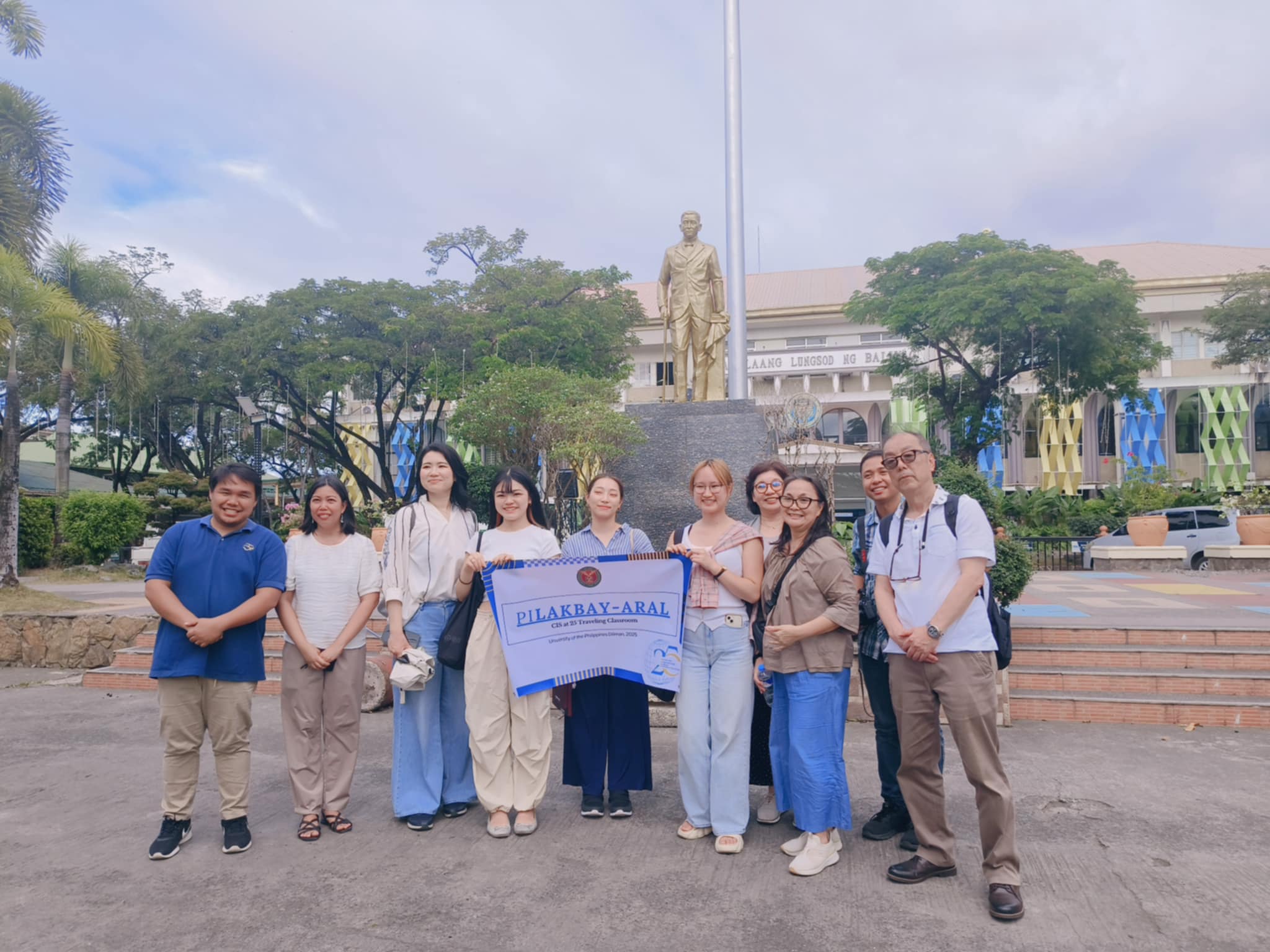
To further strengthen its teaching program, the UPCIS undertakes Special International Collaborative Programs that provide students with a chance to become more deeply involved in the course they are enrolled in. Among them are the Travelling Classrooms for students of Southeast Asia on Asian Emporiums (Sea 30) initiated from 2005 to 2010 and funded by the Southeast Asian Studies Regional Exchange Program; the Global Studies Tour in the Philippines for students of Yokohama National University (YNU) in February 2013 and the Global Studies Tour in Japan for Filipino students of the UPCIS Japanese Studies course in November 2012, both funded by the Japan Student Services Organization’s Short Stay Program since 2011; the 1st Workshop on China-Philippines Ethnic Cultural Communication in 2017 at Guangxi University for Nationality; Ferris Short Stay Visit/Exchange Program in Japan for Filipino students of the UPCIS Japanese Studies course in 2016 and 2017 and YNU’s International and Business Law Field Study Trip in the Philippines in 2018, which were also funded by the Japan Student Services Organization’s Short Stay Program; and A Taste of the Filipino Food Culture: The Third University of Gastronomic Sciences Philippine Study Tour in 2018.

International Research and Creative Work
The UPCIS, with its roster of full-time faculty members, has produced and is expected to produce significant international research and creative work focusing on Asia-Pacific maritime cultures, cultures of disasters, East and Southeast Asian oral literature and performance traditions, cultural diplomacy, food cultures and gastronomy, global trends in education, gender studies, international social movements, mass media, and migration studies.
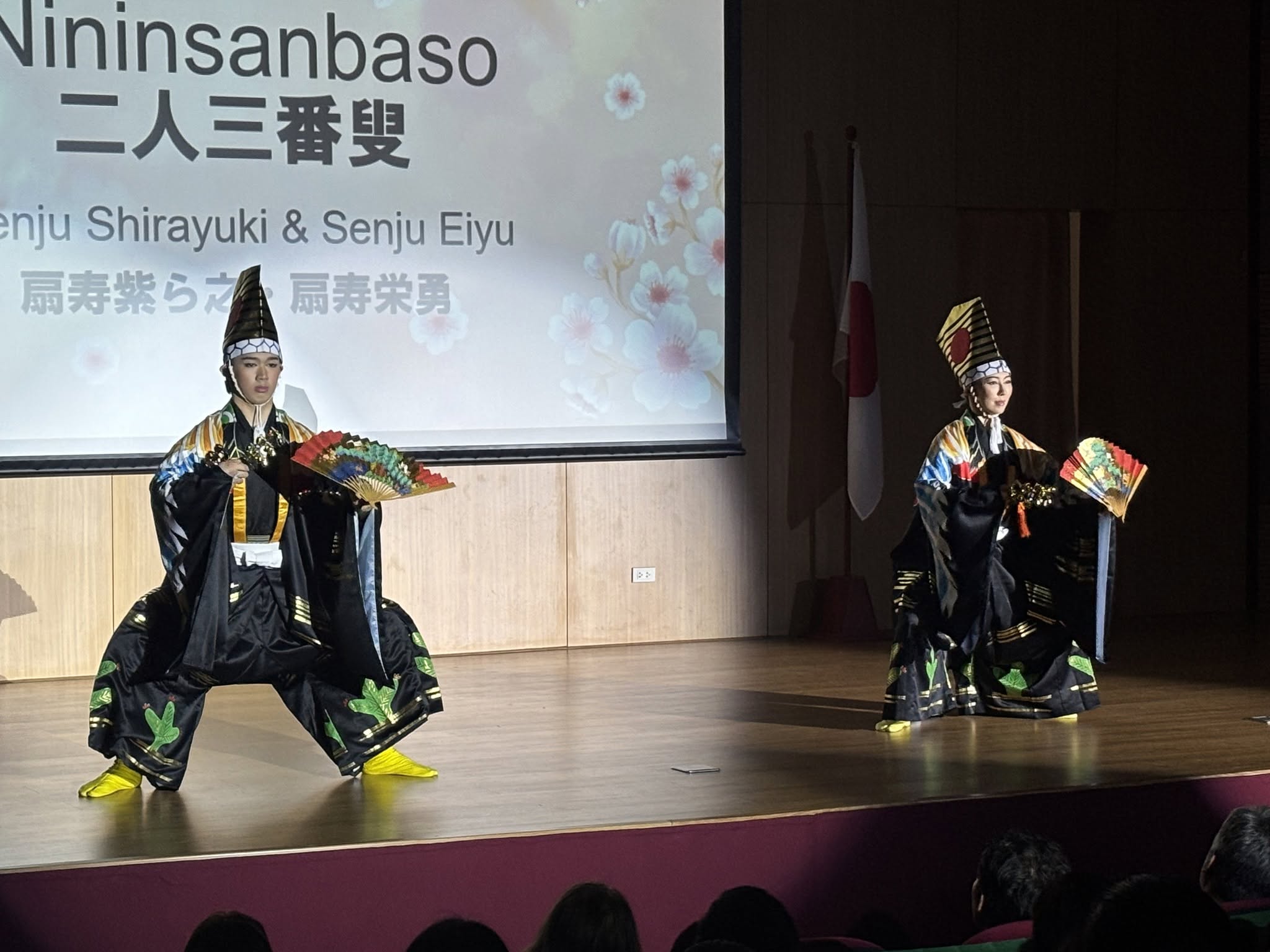
Our recent publications include Beyond Diliman 1 in 2016; and Japan’s Noh Theatre and the Philippine Practice of Western Performance Traditions in 2016. Our recent creative works include Cedula sa BGC, Isang Kontemporanyong Noh, a shinsaku (newly-created) Noh play based on former political prisoner Ericson Acosta’s Monumento, in 2016; and Putri Anak, Isang Bagong Komedya, largely based on the Maguindanao celestial maiden narrative of the Philippines, in 2017.
The UPCIS manages a collection of books and other references donated by different institutions, such as the Japan Foundation Library Support Program, the Embassy of France, and others with whom we have linkages. These and other donations form a part of the UPCIS Library, which is open to students, faculty, and other affiliates of the University of the Philippines. Currently, the library’s strongest component is its Japanese Studies collection, with its collections in Southeast Asian Studies and European Studies still being developed. The Center also houses the Shoko Matsumoto Technical Theatre Archive constructed in 2010. Matsumoto is a world-renowned lighting designer who has been with UPCIS as adjunct professor. The archive contains Matsumoto’s lighting design for theatrical productions from Europe, Asia, and the Philippines. The archive is open to students, researchers, and theater enthusiasts. The UPCIS will continue to build its library collection as part of its contribution to the efforts of the University to expand its existing resources for the University community as a means of establishing relationships with other international organizations through partnerships in information management.

Internationalization and Cultural Diplomacy

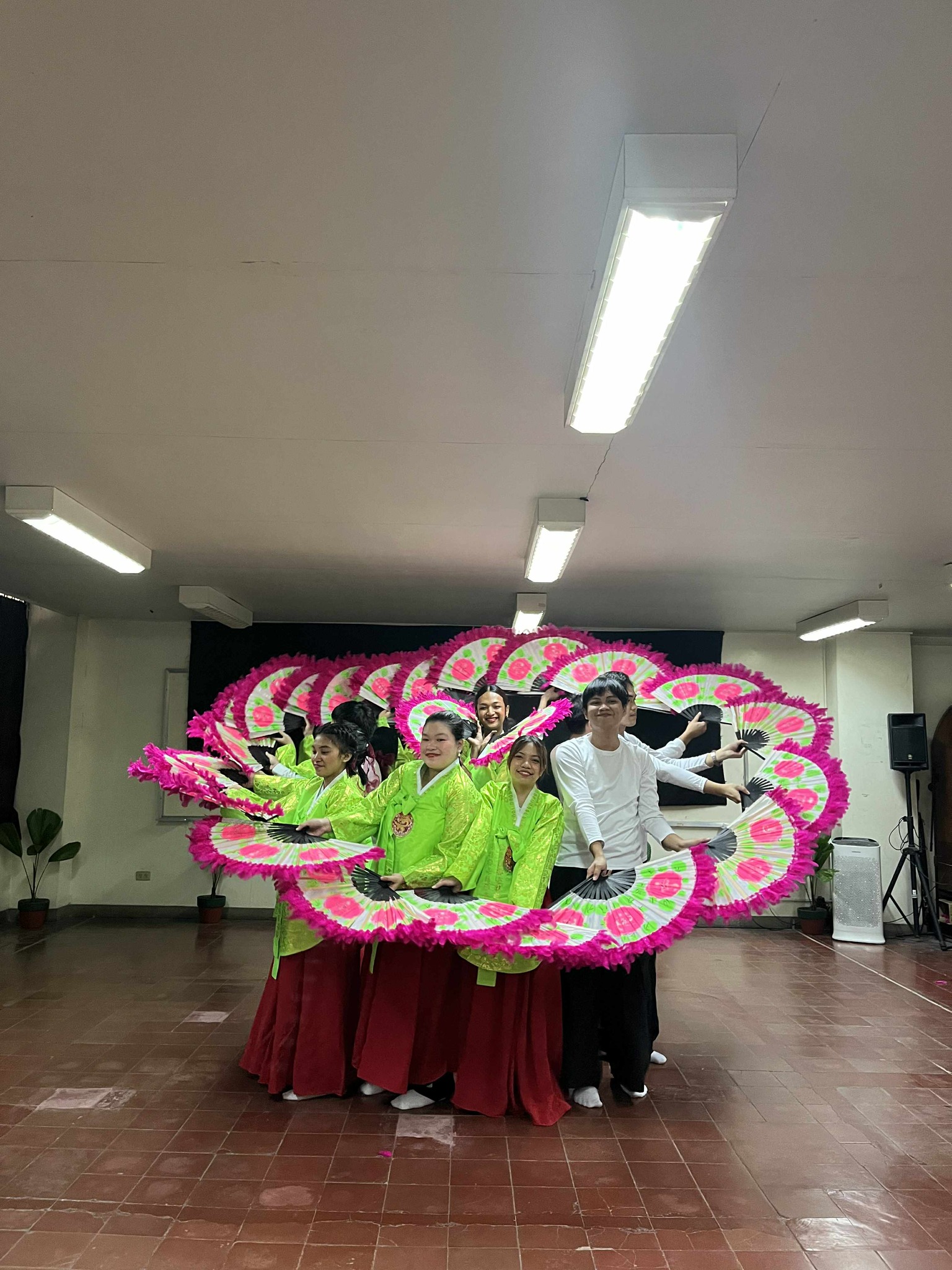
In recent years, the extension and internationalization work of UPCIS has focused concerns on tangible and intangible cultural heritages in East and Southeast Asia, initiatory efforts in foregrounding Korean and Japanese Studies in the University of the Philippines, and in international cultural exchange and diplomacy through conferences and symposium. Projects and activities in this area include: Japan’s Noh Theatre and Philippine Practice of Western Performance Traditions: A Dialogue on Global Cultural Exchange and Diplomacy an international conference-workshop in February 2014 which brought together Noh Masters and distinguished scholars and artists; the 2nd Korean Studies Symposium, which gathered together academics from the Philippines, Korea, and the US in December 2013; and Chinese Painting from an International View, a public lecture conducted in March 2013 by Madame Yan Donko, wife of Austria’s ambassador to the Philippines.

Indigenous Cultural Heritage and Development

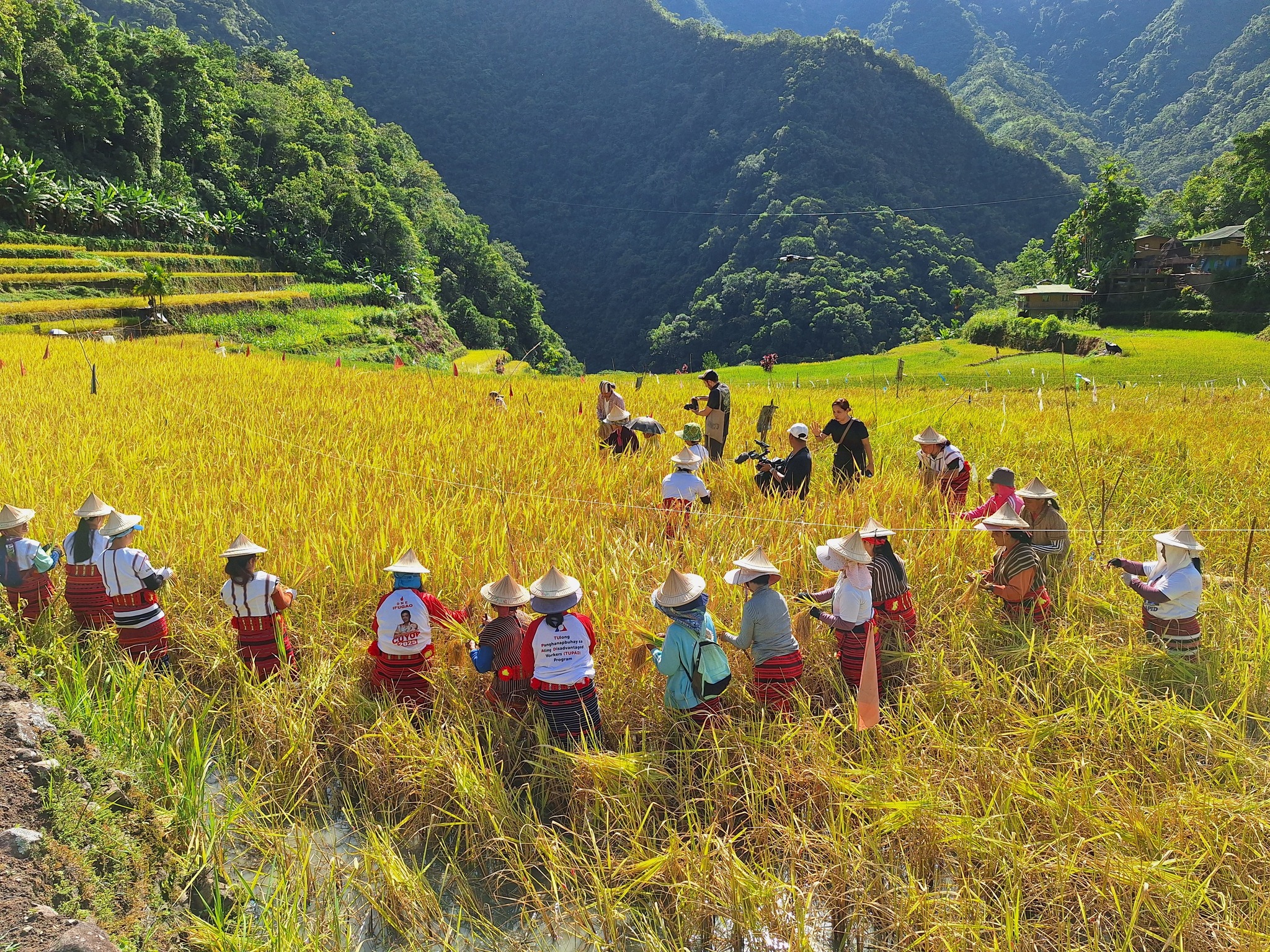
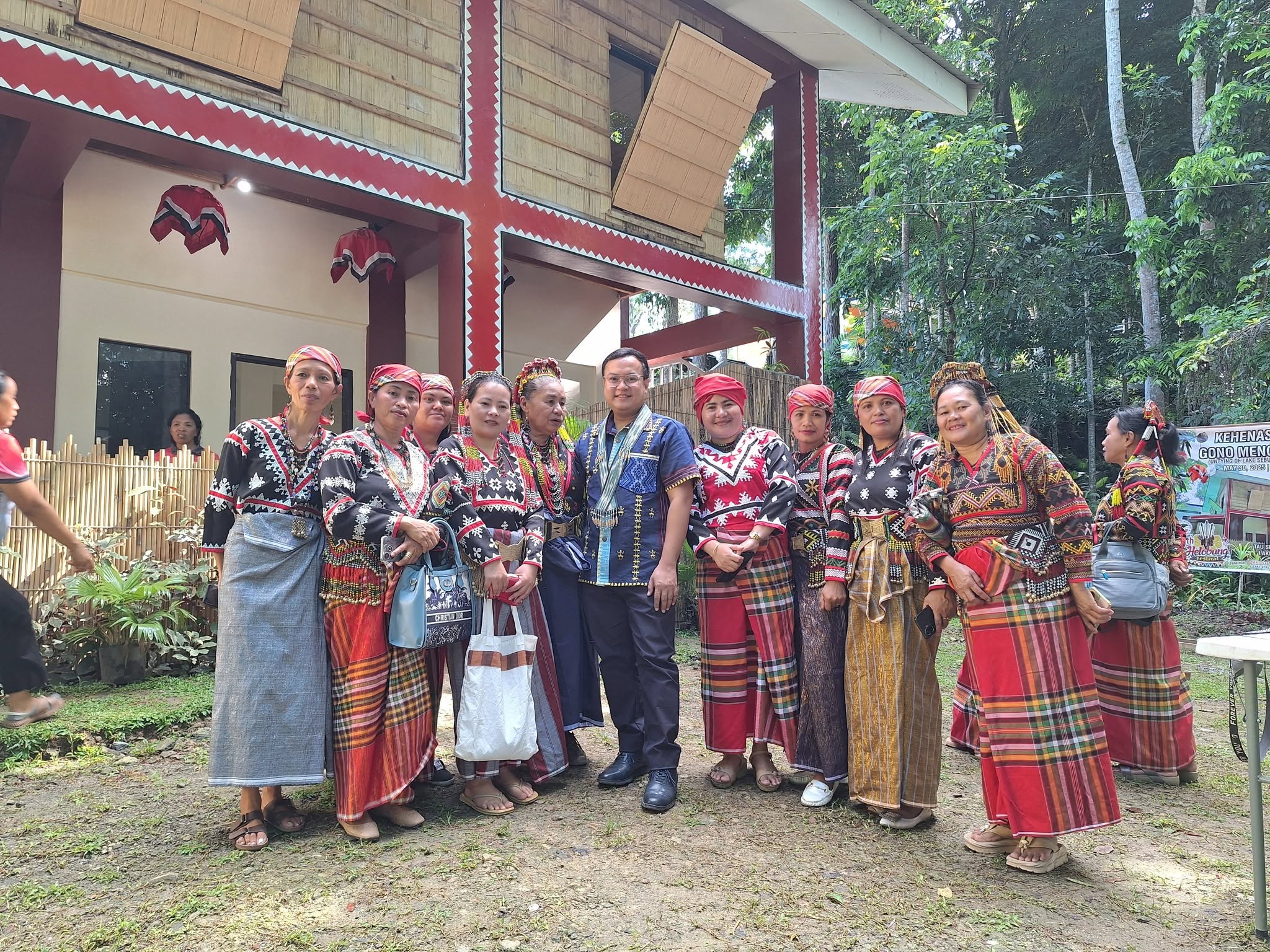
Cultural heritage, both tangible and intangible, can be an effective instrument for development. By working with marginalized local indigenous communities to harness their rich cultural resources, the UPCIS aims to improve the lives of these people. The UPCIS has an ongoing cooperation (since 2010) with the indigenous Ifugao of the UNESCO World Heritage Batad Rice Terrace Cluster to restore their native houses and to develop a cultural tourism program. The UPCIS also works with the children of a Sama Badjao community in Manila to train them in the performance of Bunraku puppet theater, a UNESCO-inscribed Intangible Cultural Heritage of Humanity. The children are first taught the basics of this ancient Japanese theater form, then they are made to perform in Bunraku productions that are inspired by Sama Badjao culture. Furthermore, UPCIS has a long-standing relationship with several Aeta communities living in the Pinatubo area. UPCIS works with the Aetas to document their traditional ethnobotanical knowledge and to provide educational opportunities among other things.
UPCIS also works with the Intergovernmental Science-Policy Platform on Biodiversity and Ecosystem Services (IPBES), an independent intergovernmental body established in 2012 by member States (of the United Nations Organization) in preparing Chapter 2: Status and Trends in Nature’s Contributions to People of the IPBES Global Assessment on Biodiversity and Ecosystem Services (Deliverable 2c). IPBES provides policymakers with objective scientific assessments about the state of knowledge regarding the planet’s biodiversity, ecosystems and the benefits they provide to people, as well as the tools and methods to protect and sustainably use these vital natural assets.

International Solidarity and People’s Struggles

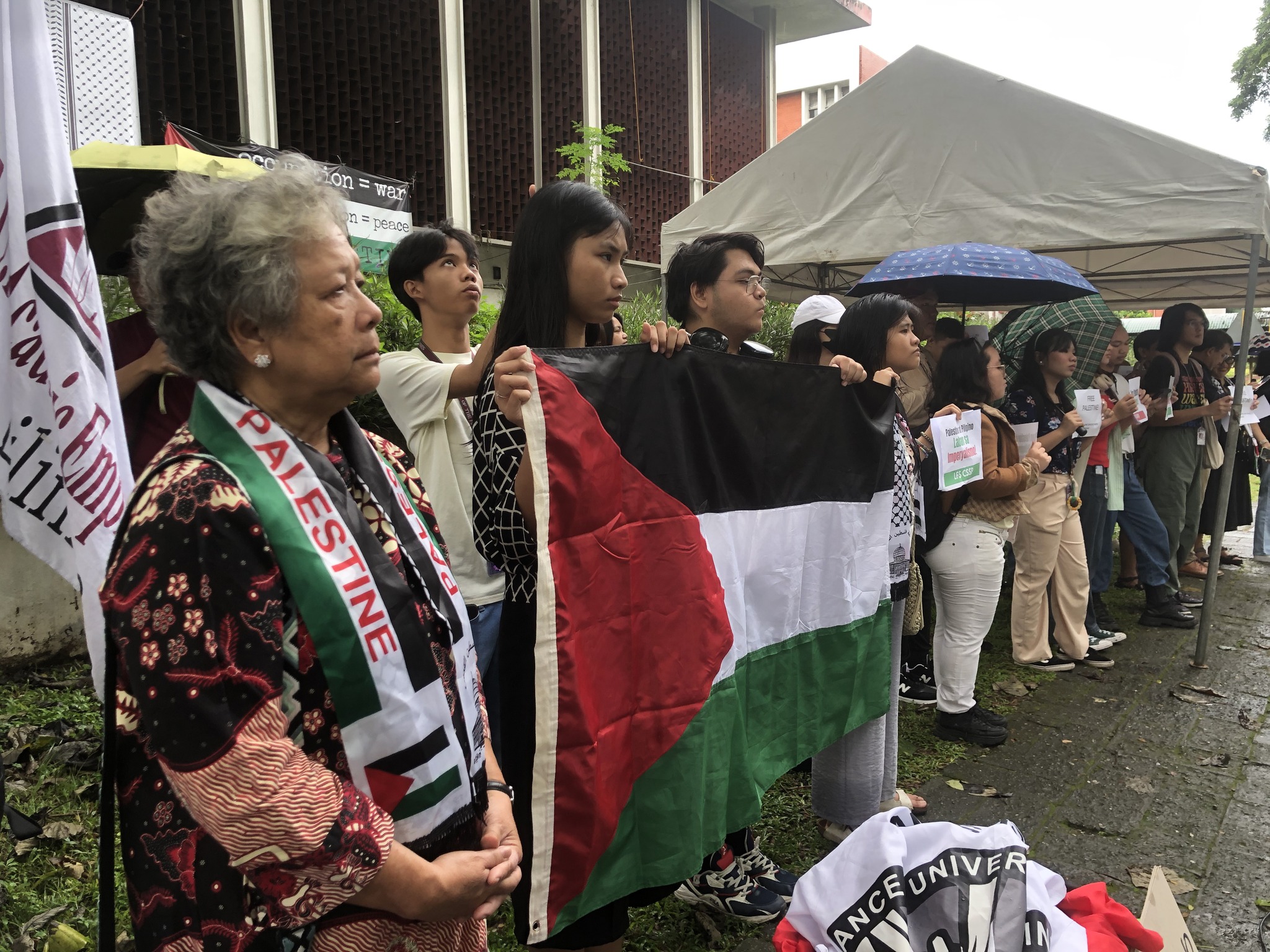
The globalization of capital and the globalization of poverty are two key issues of global studies. These topics have brought together researchers, academics, and students worldwide to come together to address the risks of pervasive inequality in a globalized world. UPCIS has supported conference presentations and field research of our faculty who are currently engaged in higher education advocacies anchored on the stakes of the basic sectors. Our faculty’s active engagement with Education International through the Alliance of Concerned Teachers Philippines has linked the Center to the different institutions in Europe, South America, North America, and Asia which push for proactive citizenship in the age of globalization. This has given the Center an opportunity to be attuned to the struggles of farmers, workers, migrant laborers, students, and professionals worldwide. Currently, the Center is engaged in indigenous peoples’ cadastral surveys, material culture inventories, documentation of oral traditions, life stories in connection with their ancestral land claims.
The Center’s courses on Global Studies such as lectures on peace and conflict, social movements, and gender diversity; and forum on Maritime Conflicts (eg. Tubbataha) have also been spawned and aided by the collaborative international research and extension work with Commission 11 of the International League of Peoples Struggles: Rights of teachers, researchers and other education personnel and the struggle against ideas and research directed against the people.
The Center’s partnership with OSAKA University in the GLOCOL Seminar (Global Collaboration) in 2011 focused on Natural Disaster and Global Collaboration: Responses to the Great East Japan Earthquake, 3.11. The Center’s forum on and relief drive for the survivors of Typhoon Yolanda is a landmark extension-research that serves as a model for the Center’s disaster-response and disaster-research program. The Center also launched the I am Marawi Campaign in 2017 in partnership with Mindanao State University-Iligan Institute of Technology (MSU-IIT) where students enrolled in UPCIS were asked to prepare art materials, sew drawstring bags, and write letters to the children of Marawi, who were forced to evacuate during the Marawi Siege. The collected materials were then brought to Iligan City and were distributed to the children from the Lanao del Norte. The response of the children were then later curated into a mini-exhibit entitled, Letters from Marawi.